Hello All,
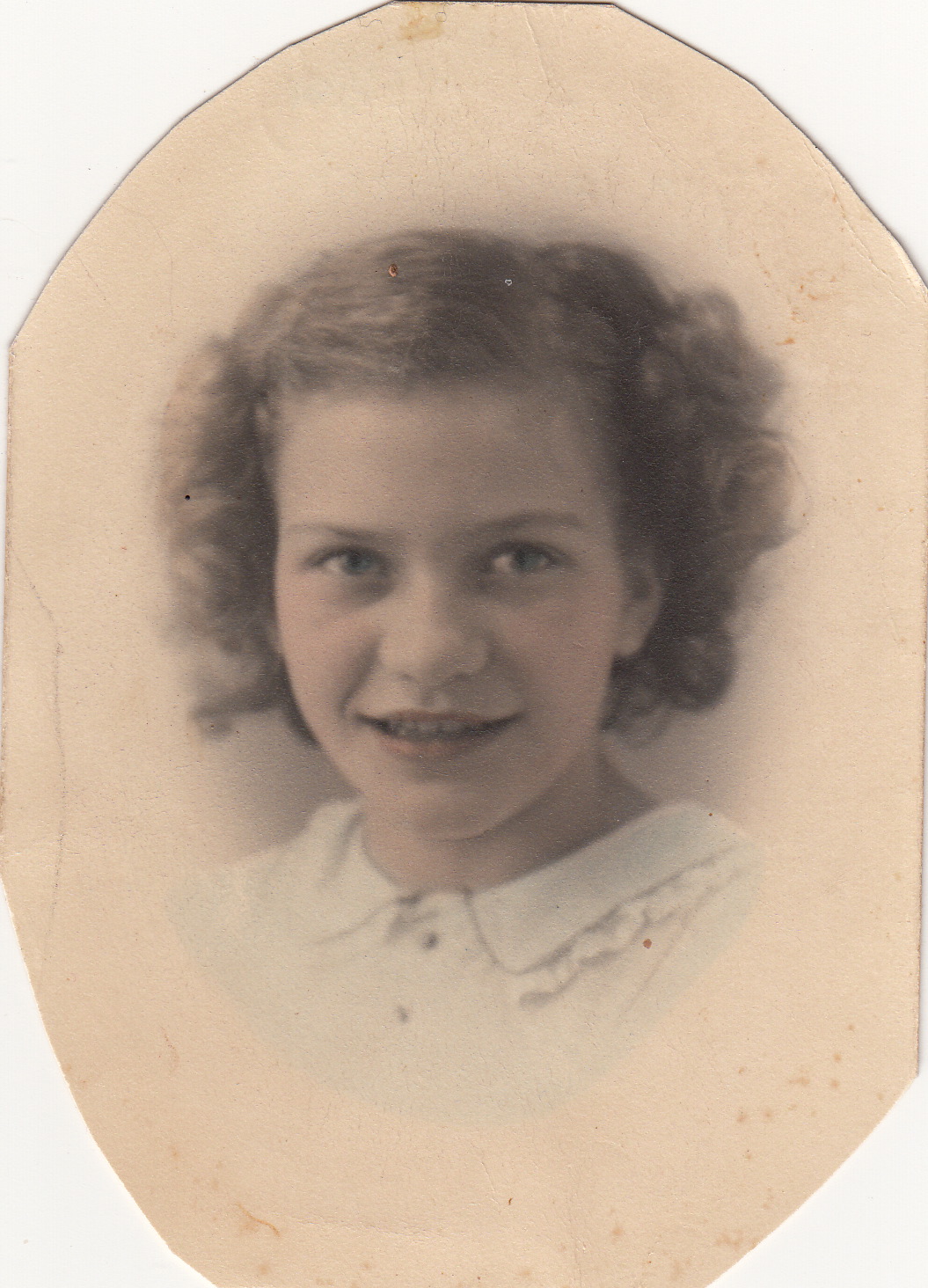
Once again, I’m responding in a post to the comments you left for my September 17th posting about Elisa—the young woman who has become family to me—and the gallbladder operation scheduled for her.
In my posting, I indicated that the doctors had found cancer in her gallbladder.
Fortunately, that was incorrect. The surgeon in her hometown hospital recognized that she’d been having pain from the gallbladder for several years. The pain had nothing to do with cancer.
Unfortunately, since November 2015—at a time when I’d been visiting and Mike (her husband) and I had rushed her to Emergency at the nearby hospital, she’d tried to tell the doctors about the persistent pain she’d been having, but they dismissed it as simply back pain “that everyone has as they age.”
With that information in mind, here are my responses to your comments:
Cynthia’s comment: As I also keep up with her on Facebook and her blog, I think she has had the surgery by now, or it is imminent. At any rate she is encircled with my loving thoughts, with light, with wishes and hopes for healing.
Dee’s Response: Dear Cynthia, You’re right. Elisa had her gallbladder operation last Tuesday (September 27) and all went well. The surgeon recommended that she rest for a week—really rest—and not work. She edits for a company in Idaho. Her work is done at home and the staff—from near and far—do a zoom meeting each day. Peace.
Molly’s Comment: Elisa sounds like an amazingly strong young woman. I hope things work out for her and that all will indeed be well. (finally sorted my sign in problems and can comment again!}
Dee’s Response: Dear Molly, she is all you’ve said, and things are working out. NOW . . . will you please, please, please share with me how you worked out the Google sign-in problem!!!!! The solution eludes me. I’m unable to leave comments on Bea’s, Inger’s, Cynthia’s, Joanne N’s, or Susan’s blog. I’d so like to be able 1) to leave comments on the blogs I follow—albeit sporadically!—and 2) to respond to comments on this blog. Please clue me in! Peace.
Inger’s Comment: And Elisa has been supporting me and giving me strength after my cancer diagnosis. Not a word about this. I will write her, for sure. I will read her blog first, then write. Thanks for this. Let's talk soon.
Dee’s Response: Dear Inger, that sounds like her! I know she is concerned about your cancer diagnosis. I so hope all is going well for you. Will you be doing chemo or radiation? And when does the treatment begin OR has it already started? Your blog readers I’m sure are responding with their prayers and thoughts and good wishes. You mean so much to so many people. Take care. Peace.
DJan’s Comment: I also included her by name in my morning prayers and will continue to do so. Sending her and you both my sincere love and hope for healing.
Dee’s Response: Thank you, DJan. The hope for healing—expressed also on Elisa’s Facebook postings by many readers—expresses so beautifully a quiet, sincere, and tender belief in the power of prayer and of community.
Rian’s Comment: I keep Elisa and you, Dee, in my prayers always. There is a prayer I like that says, "May the Light of God surround me, the love of God enfold me, the power of God protect me, and the presence of God watch over me. Wherever I am, God is... and all is well.”
Dee’s Response: Dear Rian, thank you today and all days for your prayers. And thank you, also, for sharing the prayer of Light. I’ve written it down and have it by my bedside, here by the computer, and also by my easy chair in the room where I embrace my best thoughts in meditation and musing. I’m adding to it the community—the Oneness—of all of us so that I’m saying, “May the Light of God surround me and the cats and all creation . . .(remaining words and then) . . . Wherever we are in Oneness, God is . . . and all is well.” I so appreciate your sharing this. Peace.
Sandi’s Comment: 💙 Sending my love.
Dee’s Response: Dear Sandi, thank you! I so love the blue heart. Somehow it has, for me, more depth than the red, despite the fact that red and purple are my two favorite colors. Blue, for me, has the depth of the Universe. Space beyond the beyond. Peace.
Jean’s Comment: I'm sorry your friend is suffering, and I will keep her in my thoughts and send healing energy out into the world aimed her way.
Dee’s Response: Dear Jean, I just so appreciate your saying “aimed her way.” The image that brought to my mind was of a comet bound for Elisa and perhaps, meeting along its path someone else who needs your healing energy. And so, that energy, alive in our Oneness, may touch so many on its path to Elisa and within Elisa will touch others as she shares her story and finds the beauty that lies in us all. Peace.
Joanne’s Comment: Dear Elisa, I pray that through the circle of pain you feel the circle of love and compassion we all have for you. Be with peace.
Dee’s Response: Dear Joanne, I am in awe of your vision of a circle of pain being overlaid or encompassed on enlightened by a circle of love of compassion. What is so true for me is that when you and others leave comments, they plunge me deeper into my firm belief in our Oneness. All of us are in that circle of pain (physical or emotional or intellectual) and also that circle of love and compassion. That is Oneness for me. And sometimes within that circle we are most in need—of love or health or understanding or compassion or relief from the burden of our own misunderstandings or fear or hatred or loneliness. And it seems to me that you are saying that the love and compassion we send out to anyone may reach far beyond to encircle whatever another needs. Given those degrees of separation that have been written about, I’d say that your love and compassion and that of all able to think of others touches people way beyond our realization. Beyond and beyond the boundaries of our own lives. Peace.
Arkansas Patti’s Comment: I am so sorry that Elisa's cancer is now in her gallbladder and is causing her such pain. I just prayed for her and will continue to do so. May the doctors and God find a way to bring her wellness.
Dee’s Response: Dear Patti, as you probably saw in the introductory paragraphs of this posting, I was wrong—the cancer isn’t in her gallbladder. She has had the pain though for years (since 2015 or even before). Right now, she’s relatively free of pain, but she so needs rest from the past nearly two years of the cancer journey + all the operations + the writing that she’s continued to do (it’s essential for her to write—like breathing!) + the being part of her family’s activities, etc. I continue to encourage her to rest and to say “No” to requests when her body lets her know that rest is necessary. I think, Patti, that I’ve become a “nag!”(Maybe a “hag,” too. Not sure!) Peace.
Sue’s Comment: Thank you for this powerful, beautiful and heart-rending post. I am sending oceans of good wishes across the seas.
Dee’s Response: Dear Sue, I can just see those good wishes (oceans of them filled with live-giving plankton, sparkles of sunlight, and night-time mysteries) fluttering like butterflies over the seas to Elisa. Better yet, I can see them as those marvelous colorful Australian birds, photographs of which you share with us on your blog. Your words create images for me that tickle my fancy! Peace.
FINAL NOTE: I’m feeling somewhat giddy with delight over all these comments that reveal just how wonderful all of you are—so concerned with Elisa, so responsive to her story, so generous with your thoughts and prayers. Take care. Be gracious to yourselves.
I hope to post this week on the final part of my vacation in Idaho: The Motorcycle Ride!
Peace.
PS: I don't know what explains the white behind the lines. You know, one of these days maybe I'll enter the 21st century and become tech-savvy! But don't count on it! Peace.